Discover Panna's Ken River landscapes, dry forests and remarkable tiger recovery story in the Vindhya hills of Madhya Pradesh.
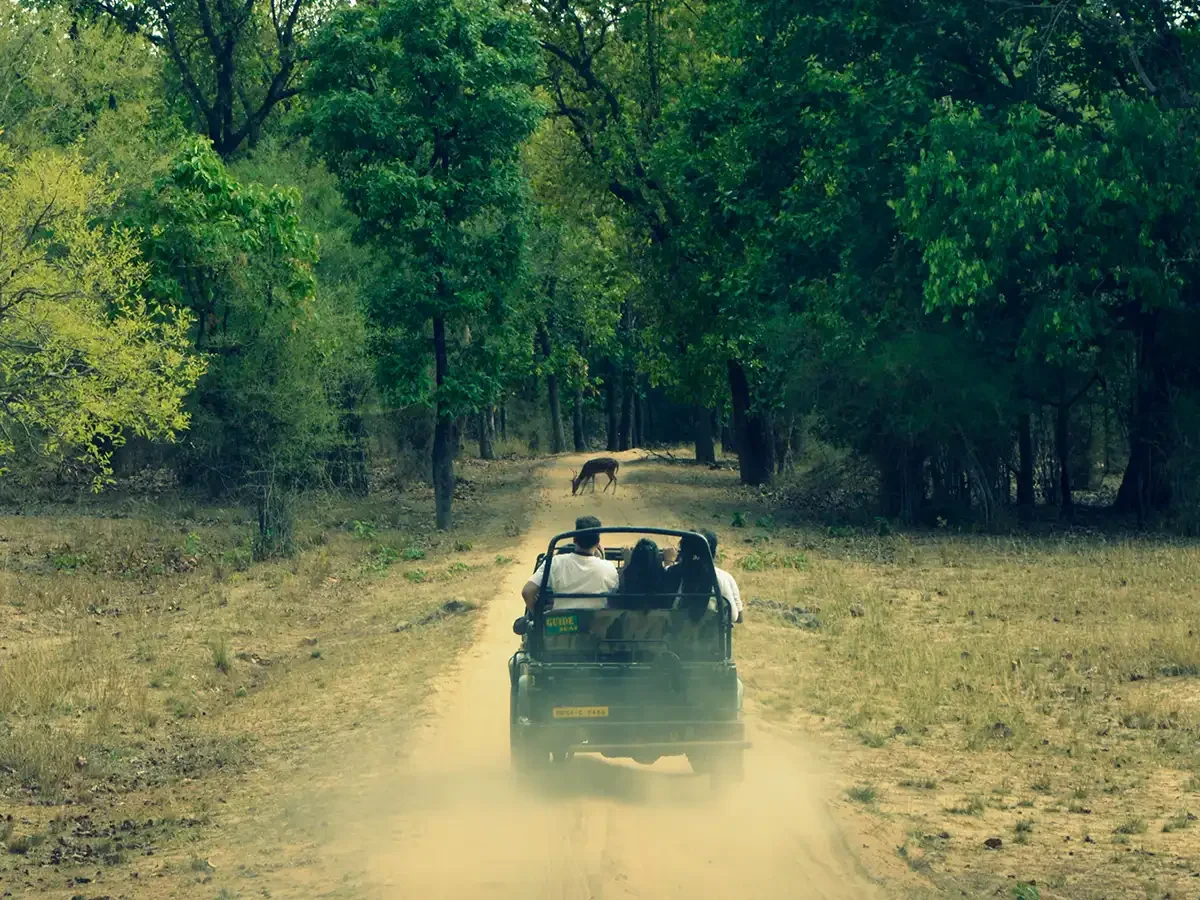
Panna National Park protects a landscape of plateaus, rocky gorges and dry deciduous woodland in northern Madhya Pradesh. The Ken River threads through this Vindhyan landscape, bringing riverside habitats into a forest shaped by seasonal changes.
Tigers share the reserve with leopards, sloth bears, sambar and chital. Open country supports nilgai and chinkara, while the river and wooded valleys attract resident and migratory birds. A safari offers opportunities to appreciate these different habitats as well as search for wildlife.
Panna is also an important chapter in India's conservation history. Tiger reintroduction began in 2009 with animals brought from other reserves in Madhya Pradesh. The wider Panna Biosphere Reserve, which includes the national park, joined UNESCO's World Network of Biosphere Reserves in 2020.
Park information: Official park guide
Book Safari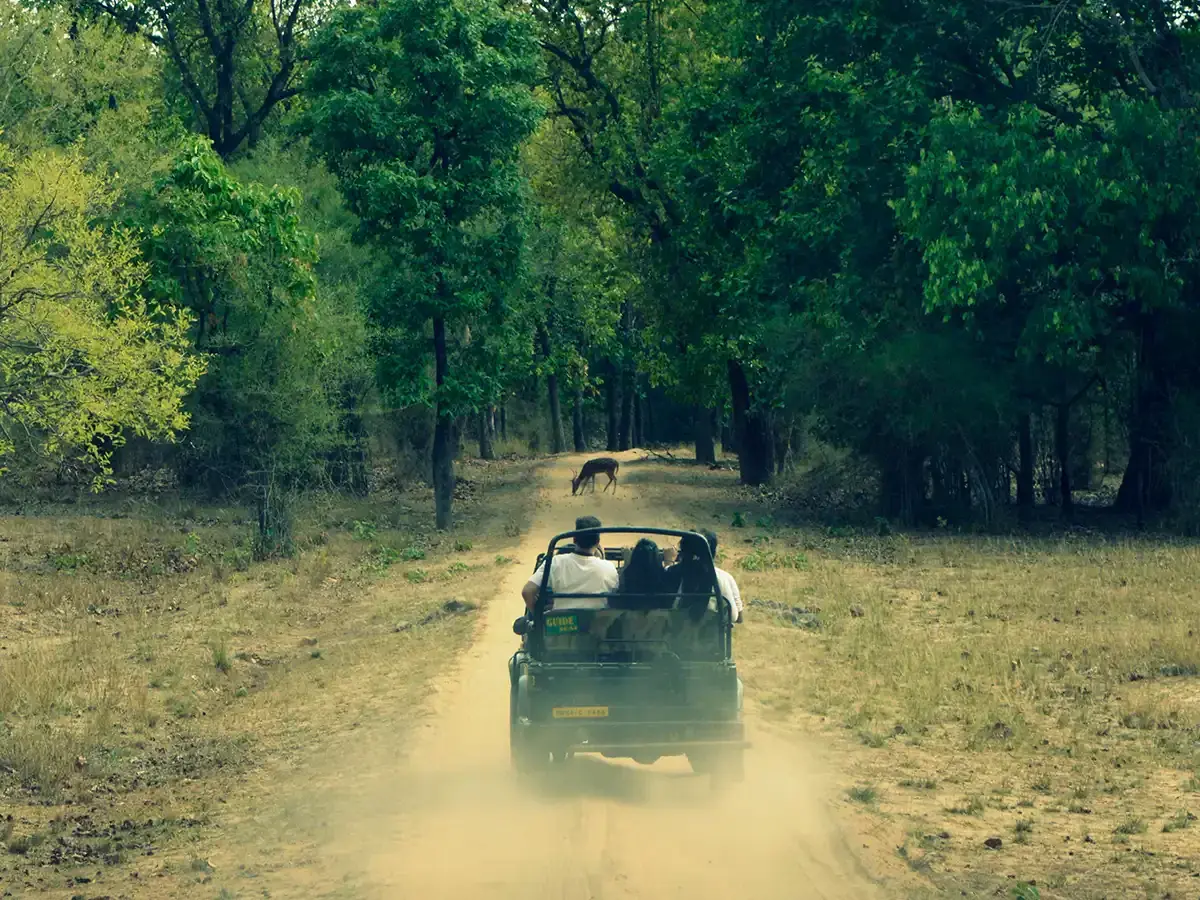
Panna National Park was established to protect the area's forests and wildlife.
Panna joined the Project Tiger network, giving tiger conservation a central role in the management of this landscape.
Tigresses from Kanha and Bandhavgarh were moved to Panna as part of a programme to rebuild its tiger population.
The wider Panna Biosphere Reserve became part of UNESCO's World Network of Biosphere Reserves, recognising a landscape that includes the national park and surrounding forests.
Rocky escarpments, plateaus and river valleys give Panna a distinctive setting within the Vindhya hills.
The reintroduction programme brought tigers from other reserves to help restore a population in Panna.
Dry woodland, grassland and riverside habitats support varied wildlife, including resident and seasonal migratory birds.
The national park forms part of the larger Panna Biosphere Reserve, recognised by UNESCO in 2020.