Explore Kuno's river valleys, open meadows and woodland, and discover its role in India's cheetah reintroduction programme.
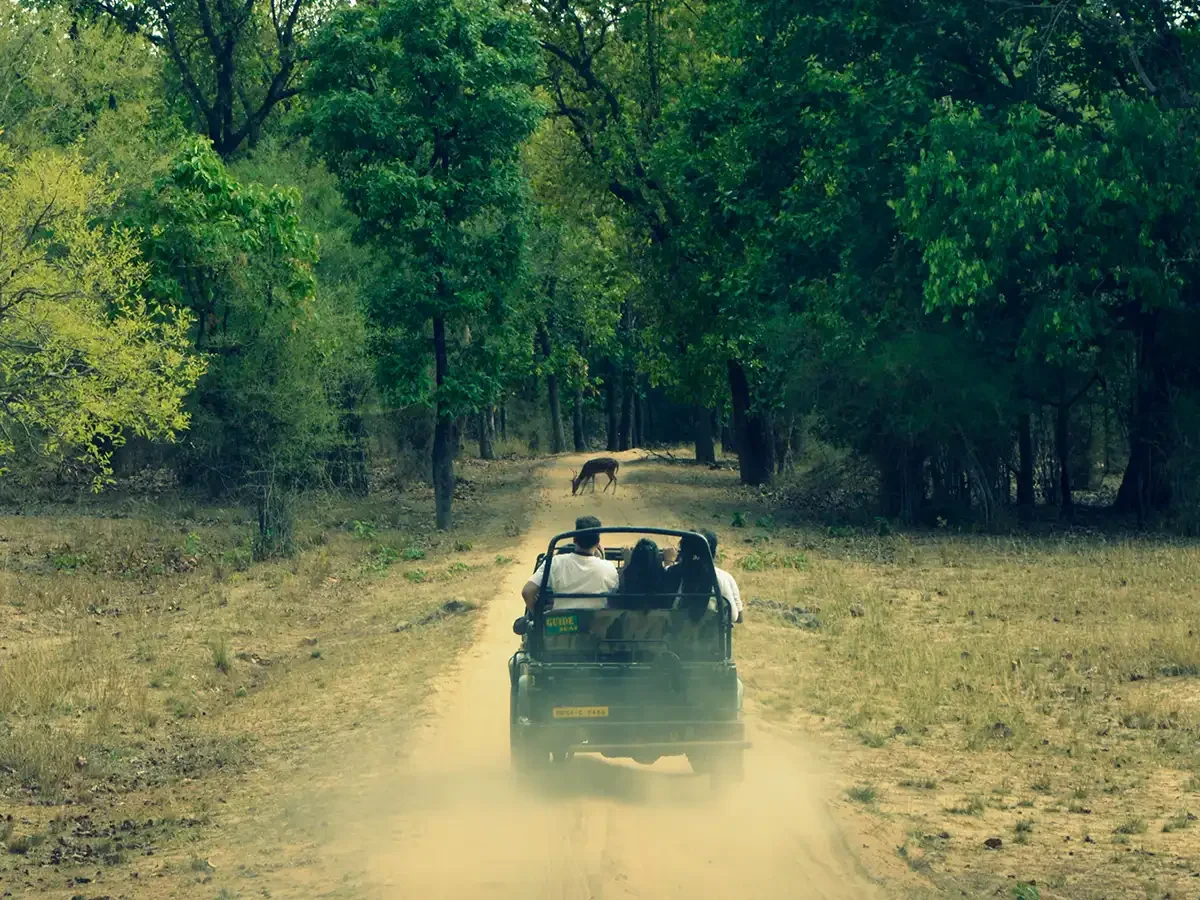
Kuno National Park lies in the Vindhyan landscape of Madhya Pradesh. Named after the Kuno River, it brings together broad meadows and woodland dominated by kardhai, khair and salai trees. The river is an important water source for this forest ecosystem.
The protected area began as a wildlife sanctuary in 1981 and became a national park in December 2018. Habitat restoration and conservation planning have shaped its development, including earlier work to prepare the landscape for the proposed reintroduction of Asiatic lions.
Project Cheetah was launched at Kuno on 17 September 2022, opening a new chapter in India's efforts to restore the species. Visitors can learn about this conservation story while enjoying the park's landscapes. Safari access depends on the routes open for your dates, and wildlife sightings, including cheetahs, are never guaranteed.
Park information: Official park guide
Book Safari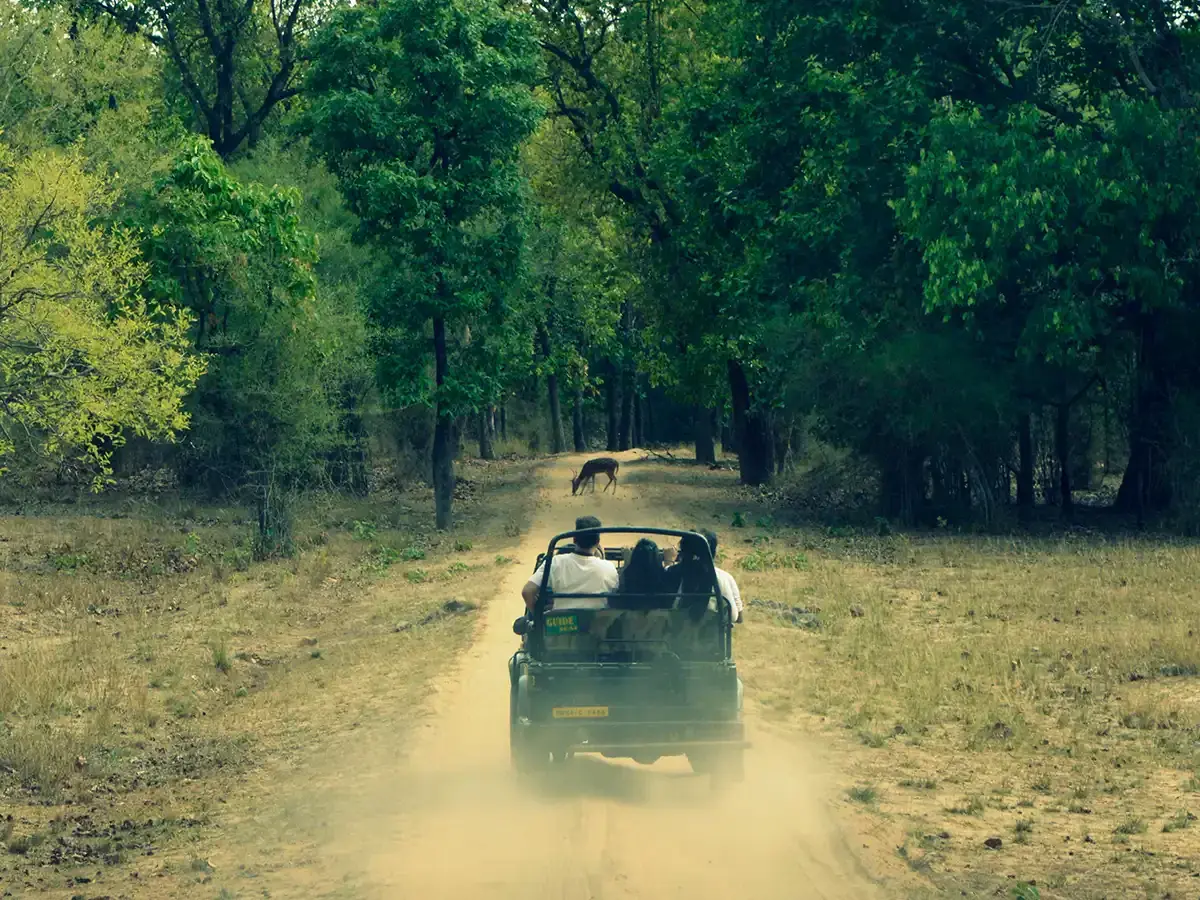
Madhya Pradesh established Kuno Wildlife Sanctuary, protecting part of the larger forest landscape.
The relocation of 24 villages outside the sanctuary formed part of preparations for the proposed Asiatic lion reintroduction programme.
In December, Kuno was upgraded from a wildlife sanctuary to a national park with an expanded protected area.
India launched Project Cheetah at Kuno on 17 September, beginning the cheetah reintroduction programme.
Kuno is the launch site of Project Cheetah, a major initiative in India's wildlife restoration work.
Kardhai, khair and salai trees create a forest character that changes with the seasons.
The Kuno River and open meadows offer different perspectives on the park's Vindhyan landscape.
From sanctuary status in 1981 to national park recognition in 2018, Kuno has a long history of habitat protection.