Discover the rich history and incredible biodiversity of India's tiger capital.
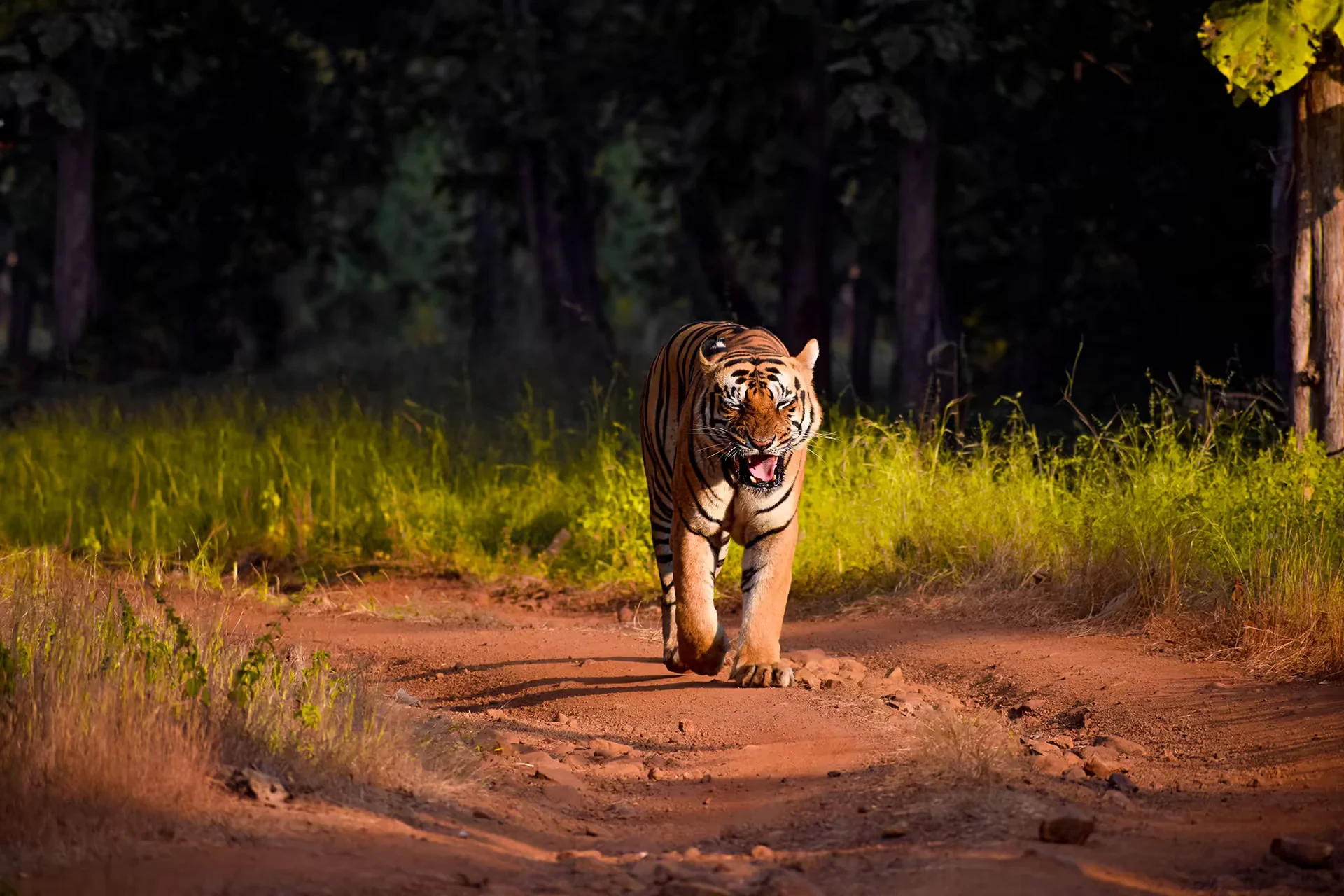
Bandhavgarh National Park, located in the Umaria district of Madhya Pradesh, is one of India's most celebrated wildlife destinations. Spanning 1,536 square kilometers, it is renowned for having the highest density of Bengal tigers in India.
The park derives its name from the ancient Bandhavgarh Fort, believed to be over 2,000 years old. Beyond tigers, Bandhavgarh is home to leopards, deer, wild boars, and over 250 species of birds, set against a backdrop of ancient forts and lush valleys.
The Bandhavgarh Fort, with over 2,000 years of history, is referenced in ancient Hindu texts. It was ruled by the Magha, Vakataka, and Kalachuri dynasties.
Bandhavgarh was declared a national park, initially covering 105 square kilometers, marking the start of formal wildlife conservation.
The park became a Project Tiger reserve with a core area of 694 sq km and a buffer zone of 820 sq km.
Today, Bandhavgarh is India's premier tiger destination, attracting wildlife enthusiasts from around the world.
Named after the ancient Bandhavgarh Fort, mentioned in the Mahabharata and Narada Pancharatra. The fort has stood for over 2,000 years.
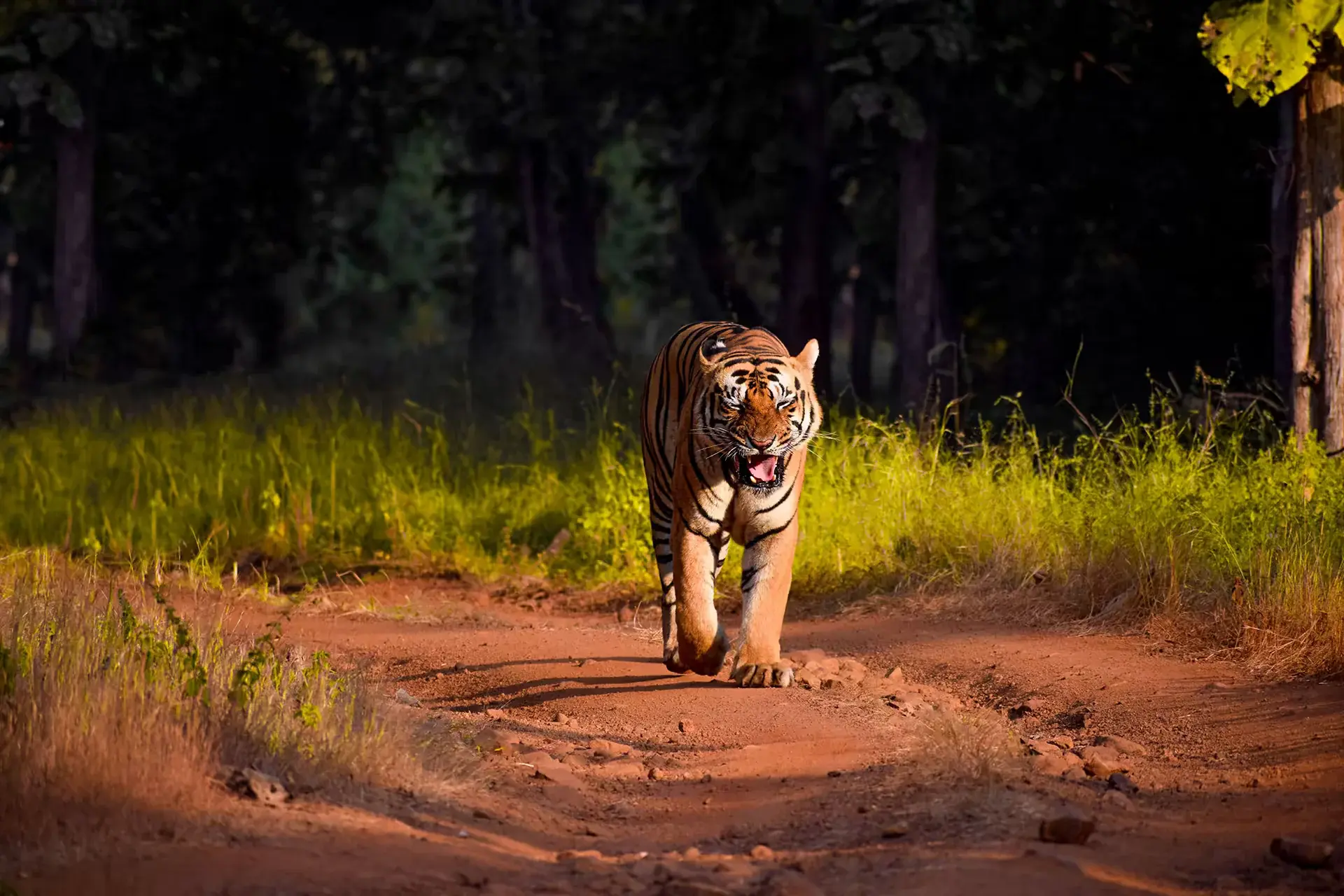
Bandhavgarh boasts the highest density of Bengal tigers in India, making it the best place to spot these majestic cats.
Over 450 plant species, 50+ mammals, 250+ birds, and 32 reptiles thrive in Bandhavgarh's diverse habitats.
From a small reserve in 1968 to a premier tiger reserve in 1993, Bandhavgarh is a true conservation success story.